









The difference the right support can make
Pain may become easier to manage, and movements you have been avoiding can start to feel less uncertain. Getting out of bed in the morning, lifting the shopping or going for a walk without it flaring afterwards may start to feel more manageable.
Over time, reduced pain tends to come alongside being able to get on with your daily activities again, with more confidence in what your back can handle. Because back pain often has more to do with how you move and load your spine than with damage, working on that can also reduce the chance of the same problem returning.

Common causes of lower back pain
Back pain can develop for several different reasons, and for most people it is not traced back to a single clear diagnosis. More often a few things are contributing at once, such as how your back is moving and how much it is being asked to do. Understanding what may be contributing to your symptoms helps guide the most appropriate next step.
Muscle strain and ligament pain
Strains and sprains often cause pain that comes on soon after lifting or an awkward movement. Symptoms tend to be worse with movement in the first few days and usually settle as the area recovers.
Disc-related pain
Disc-related pain can feel deep and is often worse with bending or sitting for long periods. Changes to the discs between your vertebrae are common and do not always cause symptoms, which is why what you feel matters more than what a scan shows.
Sciatica and nerve-related pain
Sciatica describes pain that travels from the lower back into the buttock or down the leg, sometimes with numbness, tingling or weakness. It occurs when a nerve in the lower back becomes irritated or compressed.
Joint and arthritic changes
Arthritic changes in the spinal joints can cause aching and stiffness that is more noticeable in the morning or after rest. Narrowing of the spinal canal, known as stenosis, may also cause leg symptoms that ease when you sit or lean forward.
Reduced strength and conditioning
When the muscles supporting your back are not used to the demands being placed on them, everyday activities can become harder to tolerate. This often develops gradually through periods of reduced activity, or after an earlier episode of pain.
Posture and everyday loading
Prolonged sitting, repeated bending and your lifting technique can all influence how your back feels. Poor or awkward postures can relate to either the position itself or staying in one position for too long without enough variation.
Pain that has persisted beyond the healing period
Sometimes pain continues after the original injury has recovered, because the way your body senses and responds to movement has changed. This is common, and it responds to a different approach than a recent injury.
Other contributing factors
Sleep, stress, general health and the demands of your work and daily life can all influence back pain and recovery. Understanding these factors can help guide treatment and identify when additional support or medical input may be helpful.

Our approach to lower back pain physiotherapy
Physio for lower back pain starts with working out what is contributing to your symptoms. We assess how your back moves and what it can tolerate, use the findings to build a treatment plan around you, and explain clearly what is happening.
Detailed back assessment
Your first appointment includes a review of your symptoms, your medical history and the activities that bring on your pain. We assess how your back moves, how it responds to load and whether your symptoms are travelling into the leg, so we can understand what may be contributing.
Treatment matched to your presentation
Treatment is selected according to the cause and pattern of your symptoms. This can include manual therapy and soft tissue work to ease pain and stiffness, graded movement for a back that has become guarded, nerve-related care where symptoms travel into the leg, or dry needling where muscle tightness is contributing.
Progressive strength and movement training
An exercise program is used to rebuild what your back can tolerate and improve how well it moves. Your program starts at a level you can manage and is progressed as your symptoms settle, so restoring function does not come at the cost of flaring things up.
Home strategies and ongoing review
You will receive a clear home exercise program to continue between appointments, along with practical advice for managing your symptoms day to day. We will review how you are responding and update the plan as needed.
Back pain is common, but the advice people receive about it often is not consistent. At Integrity Physiotherapy, you receive unrushed care from a physiotherapist who takes the time to understand your symptoms and explain what is driving them.

Care from Senior Physiotherapists
We have a highly experienced team of Senior Physiotherapists and Physiotherapists working very closely together, so you can expect quality care in managing your back pain and restoring your mobility. You will work directly with an experienced clinician, highly trained and well resourced to support your recovery. For complex cases, you can be confident that our team works collaboratively via multiple clinical meetings per week to ensure the highest standard of care from all of our clinicians.

30 minutes is our standard at every appointment
Each consultation runs for 30 minutes, including Medicare appointments. This gives your physiotherapist enough time to assess your back carefully and provide treatment without rushing. Longer appointments are available for complex cases.

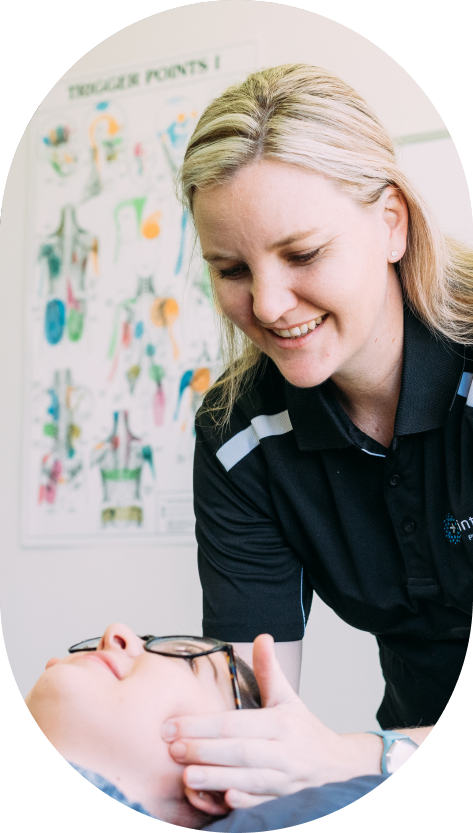
Hands-on, patient-centred care
Where appropriate, treatment begins during your first appointment. This may include hands-on therapy or other targeted treatment based on your assessment.

Clear explanations at every stage
You will be kept informed about what we find and why a particular treatment approach has been recommended. We make sure you understand the plan, what to expect and how your progress will be reviewed.

When to book a lower back assessment with us
If back pain is not settling or starts affecting your confidence in everyday movement, it is worth getting it assessed. We can help work out what may be contributing to your symptoms and whether physiotherapy is suitable for you.
Take the first step towards relief
Living with lower back pain can wear you down – but the right support can make all the difference. At Integrity Physiotherapy, we’re here to help you feel heard, cared for, and confident about your recovery.
Our friendly clinic is conveniently located in Como, with free parking and a team of senior physiotherapists ready to provide personalised, hands-on care from your very first visit.
Book your appointment today – and let’s get your back feeling better.


Everything you need to know about physiotherapy for lower back pain, from symptoms and causes to treatment.
