







The difference the right support can make
Dizzy spells may become less frequent or easier to manage, while your balance starts to feel more reliable. Everyday movements such as walking, turning your head or getting out of bed may feel less daunting.
Over time, this can help you return to your usual routines with less worry about triggering another episode.
Common causes of dizziness and vertigo
Dizziness and vertigo can develop for several different reasons. In some cases, symptoms come from the inner ear or balance system, while other factors such as migraine, neck problems, blood pressure changes or medication may also play a role. Understanding what may be contributing to your symptoms helps guide the most appropriate next step.
Benign Paroxysmal Positional Vertigo (BPPV)
BPPV often causes short bursts of spinning when you roll over in bed, look up or change position. It happens when tiny calcium crystals move into the wrong part of the inner ear.
Vestibular neuritis or labyrinthitis
These conditions can cause sudden and intense dizziness or vertigo, sometimes following a viral illness. Labyrinthitis may also cause hearing changes or ringing in the ears.
Vestibular migraine
Vestibular migraine can cause dizziness or a spinning sensation, with symptoms often triggered or worsened by movement. Some people experience little or no headache.
Ménière’s disease
Ménière’s disease can cause recurring vertigo episodes. These episodes may occur alongside tinnitus or changes in hearing. Some people also notice pressure in the affected ear.
Neck-related dizziness
Neck pain, stiffness or restricted movement can sometimes occur alongside dizziness. Because similar symptoms can have other causes, a careful assessment is important.
Other medical factors
Blood pressure changes, dehydration, medication side effects and other health conditions can also contribute to dizziness. In some cases, medical review may be more appropriate than physiotherapy.
Our approach to vestibular physiotherapy
Vestibular physio starts with a detailed assessment of how your vestibular system responds to movement. We use the findings to understand what may be contributing to your symptoms and build a treatment plan around it. We also explain clearly what is happening to you.
Detailed vestibular assessment
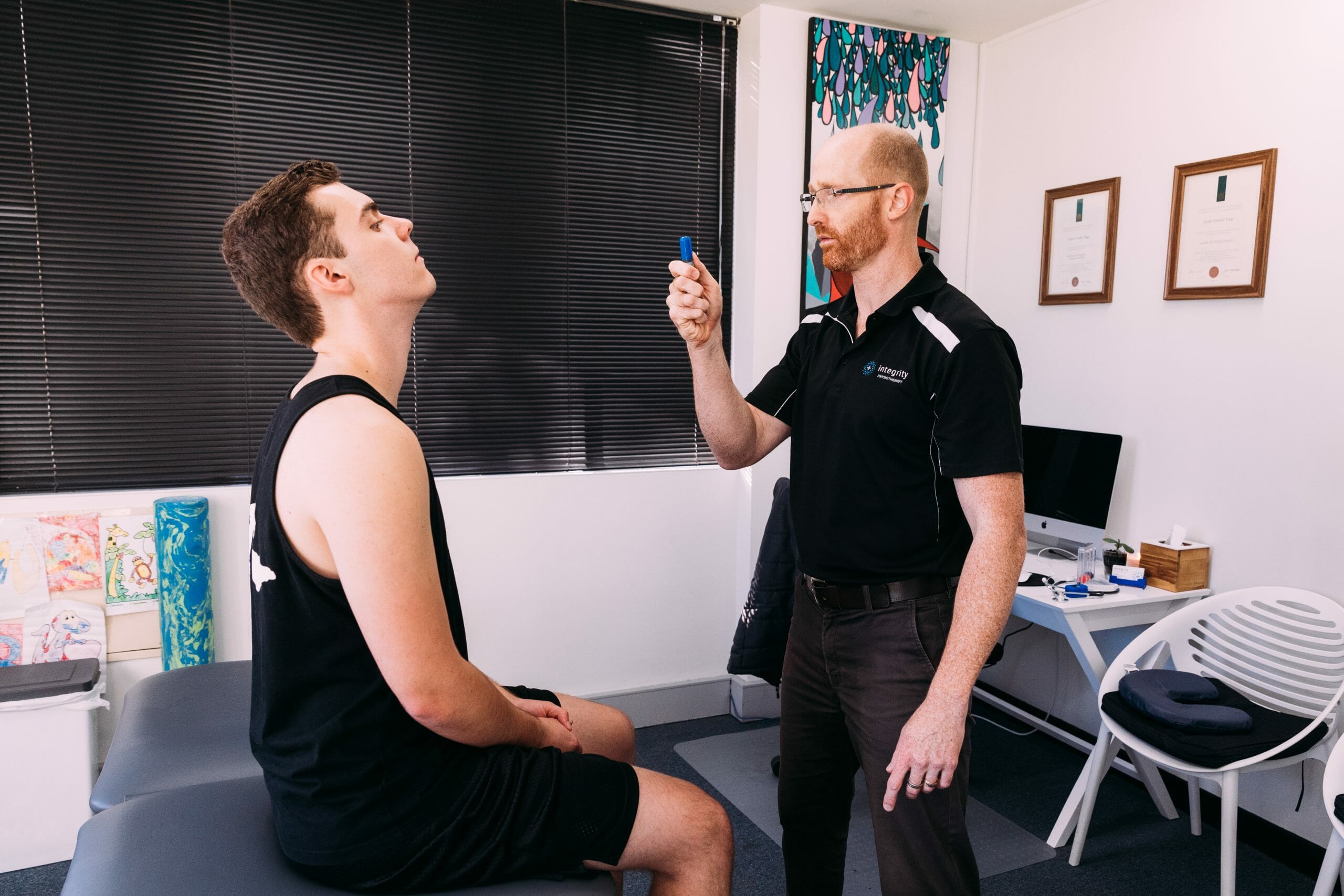
Your first appointment includes a review of your symptoms, medical history and the movements that trigger dizziness. We also assess balance, eye movements, head movements and neck function to understand how each area may be contributing.
Treatment matched to your presentation
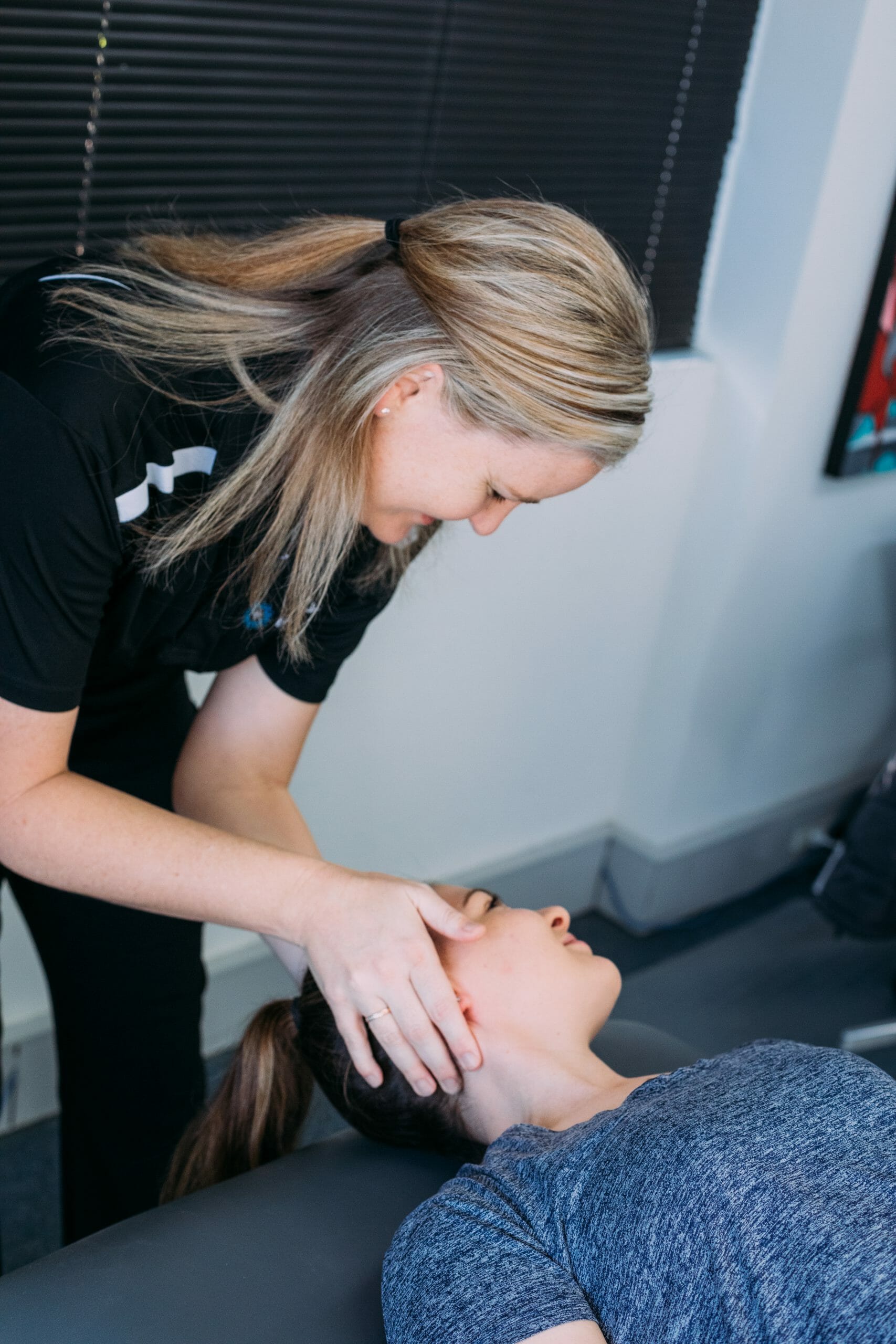
Treatment is selected according to the cause and pattern of your symptoms. This can include repositioning manoeuvres for BPPV, vestibular rehabilitation exercises, balance retraining or hands-on treatment for neck-related dizziness.
Progressive balance and movement training
Exercises are used to improve how your balance system responds to movement. Your program is progressed gradually so you can build tolerance, improve stability and move with more confidence.
Home strategies and ongoing review
You will receive a clear home exercise program to continue between appointments, along with practical advice for managing your symptoms. We will review how you are responding and update the plan as needed.
Why choose Integrity Physio for vestibular physiotherapy?
Dizziness can be difficult to explain and even harder to manage without clear guidance. At Integrity Physiotherapy, you receive unrushed care from a physiotherapist trained in vestibular rehabilitation, who takes the time to understand your symptoms and explain the next steps clearly.

Care from senior physiotherapists
We have a highly experienced team of Senior Physiotherapists and Physiotherapists working very closely together so you can expect quality care in managing your vertigo and balance problems. You will work directly with an experienced clinician, highly trained and well resourced to support your recovery. For complex cases, you can be confident that our team works collaboratively via multiple clinical meetings per week to ensure the highest standard of care from all of our clinicians.

A full 30 minutes at every appointment
Each consultation runs for 30 minutes, including Medicare appointments. This gives your physiotherapist enough time to assess your symptoms carefully and provide treatment without rushing.

Hands-on, patient-centred care
Where appropriate, treatment begins during your first appointment. This may include hands-on therapy or other targeted treatment based on what your assessment shows.

Clear explanations at every stage
You will be kept informed about what we find and why a particular treatment approach has been recommended. We make sure you understand the plan, what to expect and how your progress will be reviewed.
When to book a vestibular assessment with us
If dizziness keeps coming back or starts affecting your confidence in everyday movement, it is worth getting it assessed. We can help work out what may be contributing to your symptoms and whether vestibular physiotherapy is suitable for you.



Everything you need to know about physiotherapy for neck pain, from symptoms and causes to treatment.
Treatment begins during your first appointment and is selected according to your assessment findings. You will also be given clear guidance on what to expect next.
Your physiotherapist will give you a clearer recommendation after the first assessment.
The first appointment is also valuable for clarifying what may be contributing to your symptoms and setting realistic expectations.
Check with your health fund to confirm your rebate and expected out-of-pocket cost.
Living with dizziness or vertigo can be unsettling, but the right support can make a real difference. At Integrity Physiotherapy, we take the time to listen, assess what’s going on, and guide you through a treatment plan that’s tailored to you.
Our Como clinic is modern, welcoming, and easy to access with free parking. You’ll be supported by a team of senior physiotherapists who provide personalised care from your very first visit.
Book your appointment today and take the first step toward feeling steadier and more confident in your movement.